Design
VISION
How I design
Good design is invisible. It doesn’t call attention to itself. It just makes things feel obvious. I get there by starting with the person, not the interface.
- Understand before you draw
I spend more time in research and mapping than in pixels. Who is this person, what are they trying to do, where does it break down for them right now? The clearer that answer, the faster and more confident the design gets.
- Design the flow, not the screen
A beautiful screen inside a broken flow is still a broken experience. I map the full journey first (what the user knows, what they feel, what they need to decide) before I touch individual components.
- Make it feel as good as it works
Function and aesthetic aren’t in tension. They reinforce each other. I bring an eye shaped by years of painting, visual art, and making things by hand. Composition, colour, contrast, and rhythm aren’t decoration; they’re how you build trust with a user before they’ve read a word.
- Test with real people, then adjust
I put rough work in front of real users early and often. Not to validate: to learn what I got wrong. The fastest path to a good design is finding out where it fails before it ships.
Selected Work

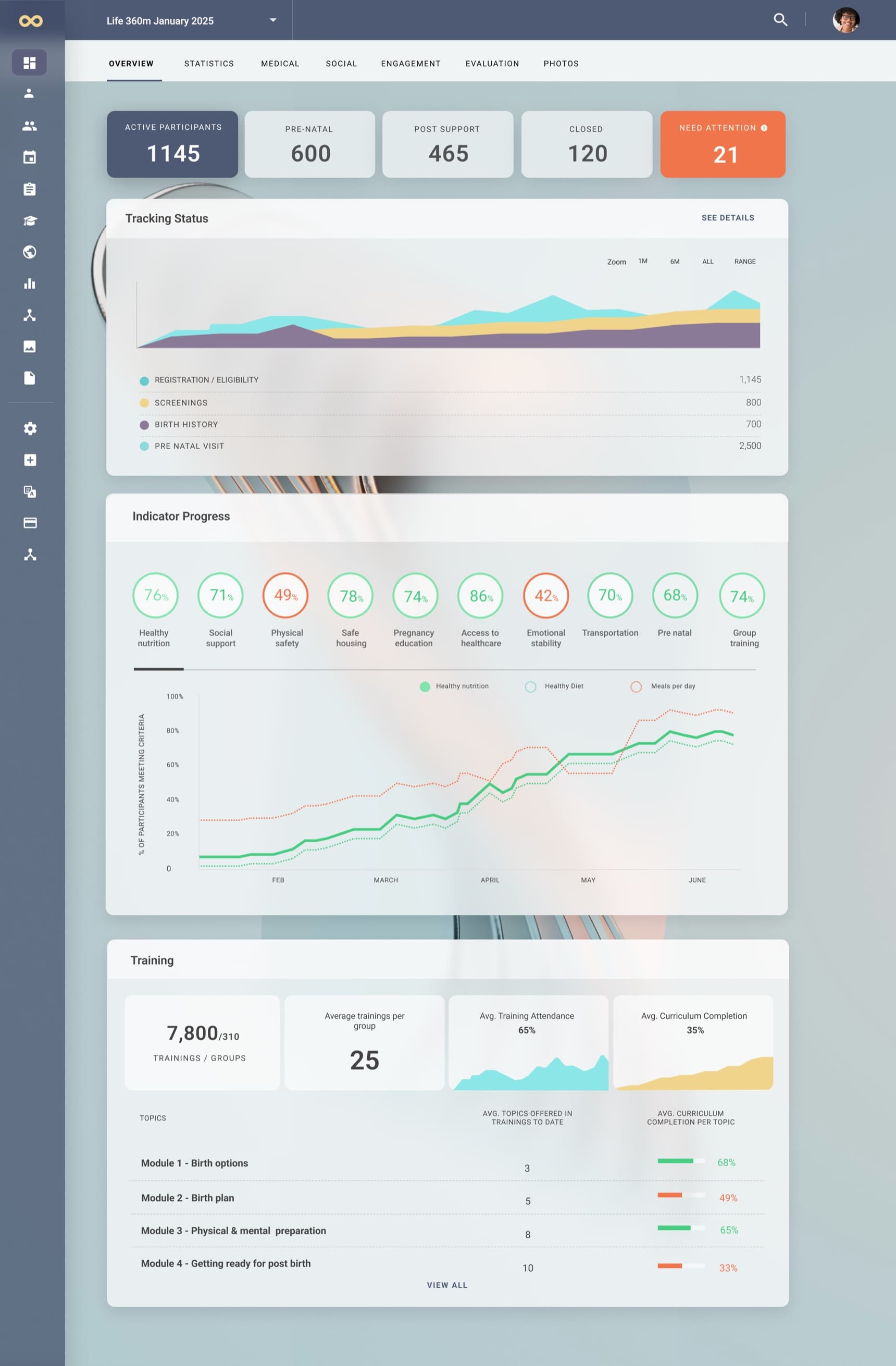
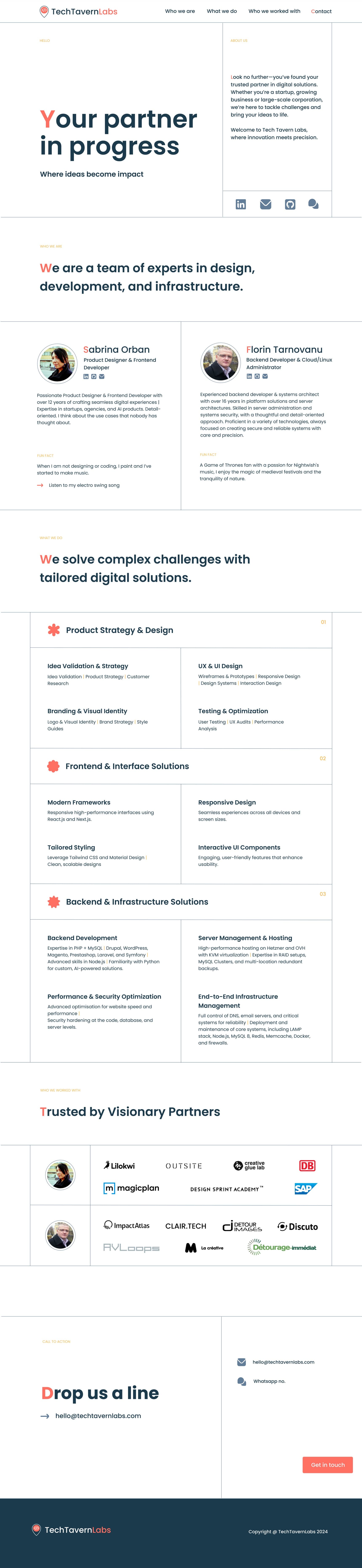
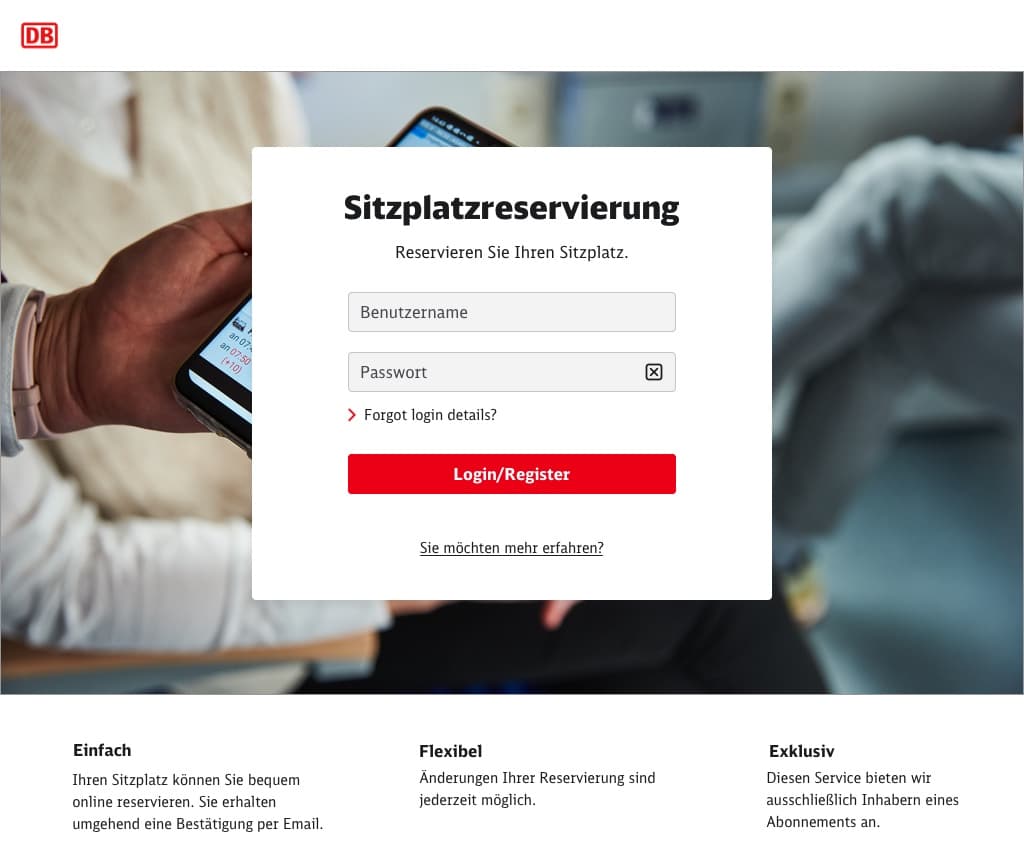
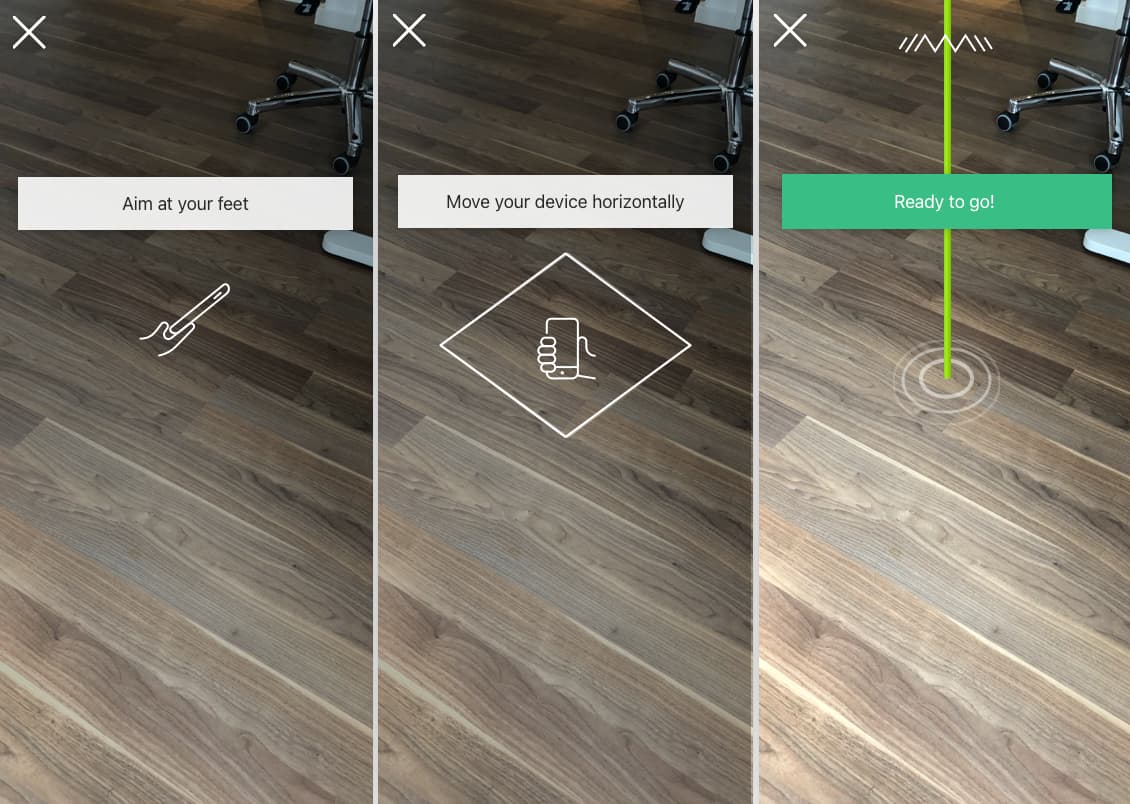
Skills & Expertise
- UX Strategy & Interaction Design
User interviews, rapid prototyping, usability testing, information architecture, onboarding journeys, dashboards, and translating abstract ideas into clear product experiences.
- Design Systems & Visual Design
Figma, high-fidelity UI, prototyping, responsive design, component libraries, documentation, accessibility, and cross-functional design collaboration.
- AI Product Design
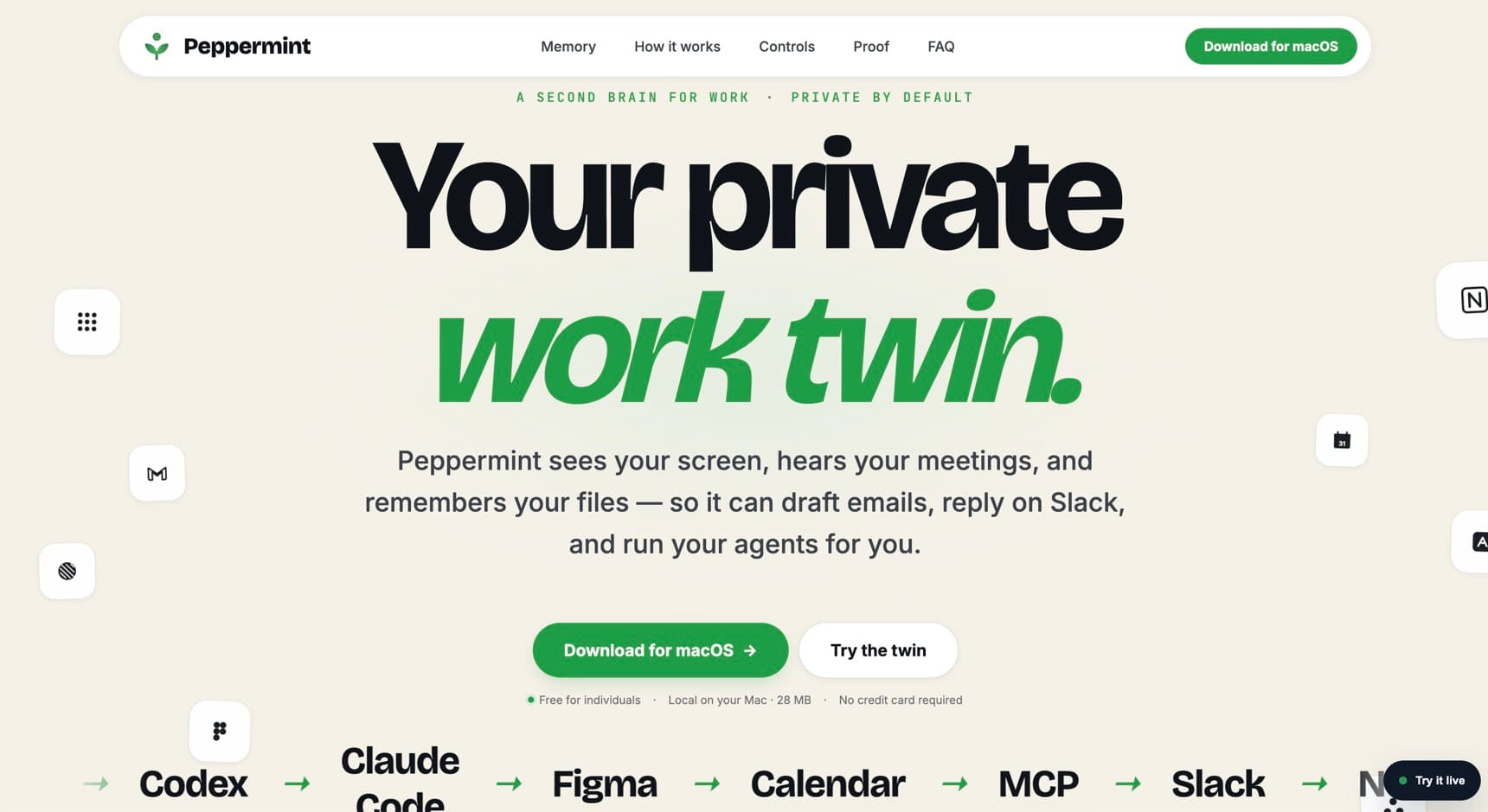
AI-native UX, memory and context systems, permissions, onboarding flows, human-in-the-loop flows, privacy, and practical AI adoption.
- Creative Direction & Storytelling
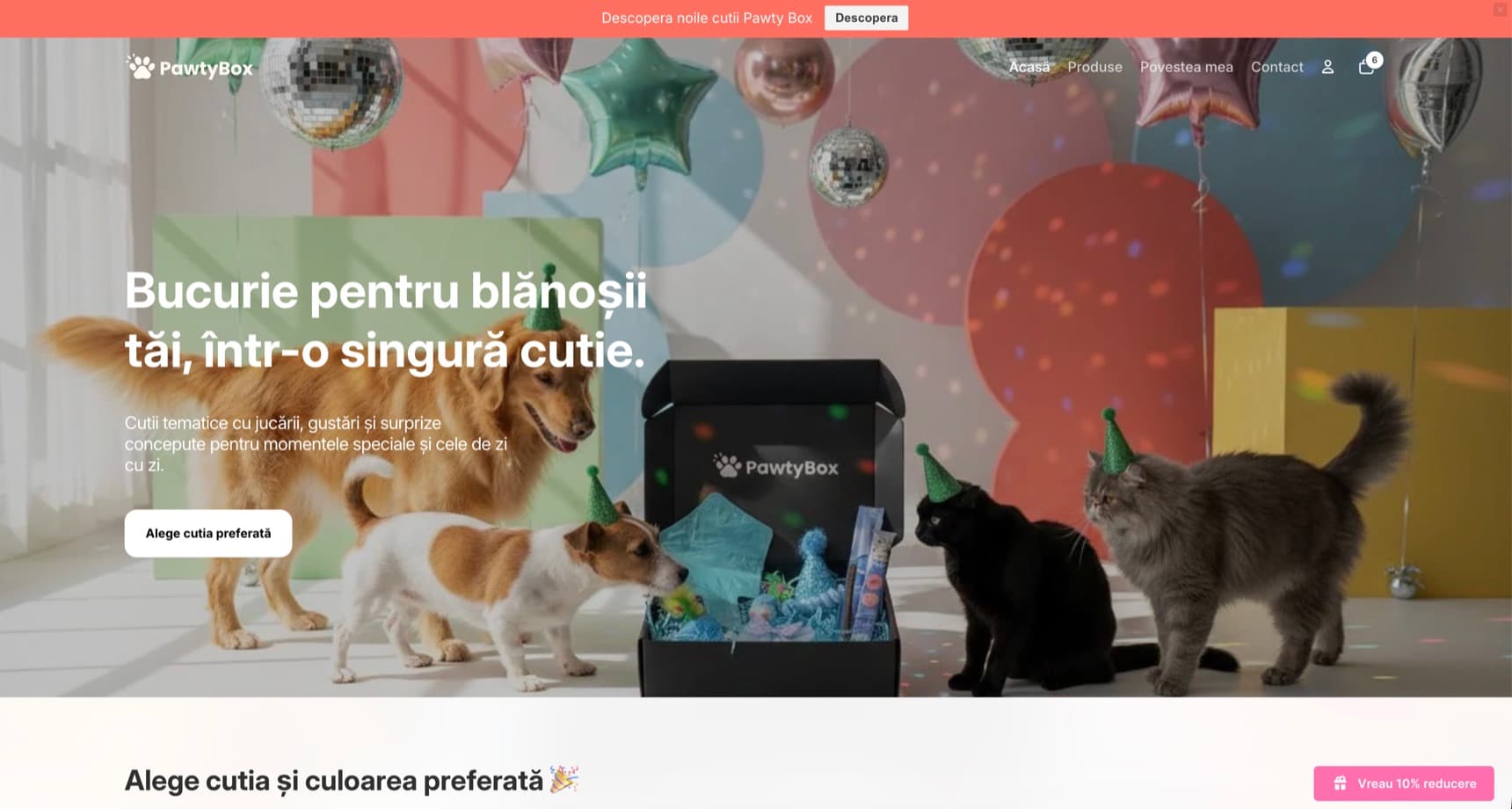
Brand direction, product positioning, visual language, go-to-market angles, and translating product value into clear, resonant narratives.